


As global warming and climate change emerge as global challenges, the energy industry stands at a crossroads of fundamental change. In this era of major shifts in the energy paradigm, we explore biofuels, which are attracting attention as a practical and immediately applicable eco-friendly solution.
Japan’s Fry to Fly Project: A Plane Powered by Waste Cooking Oil

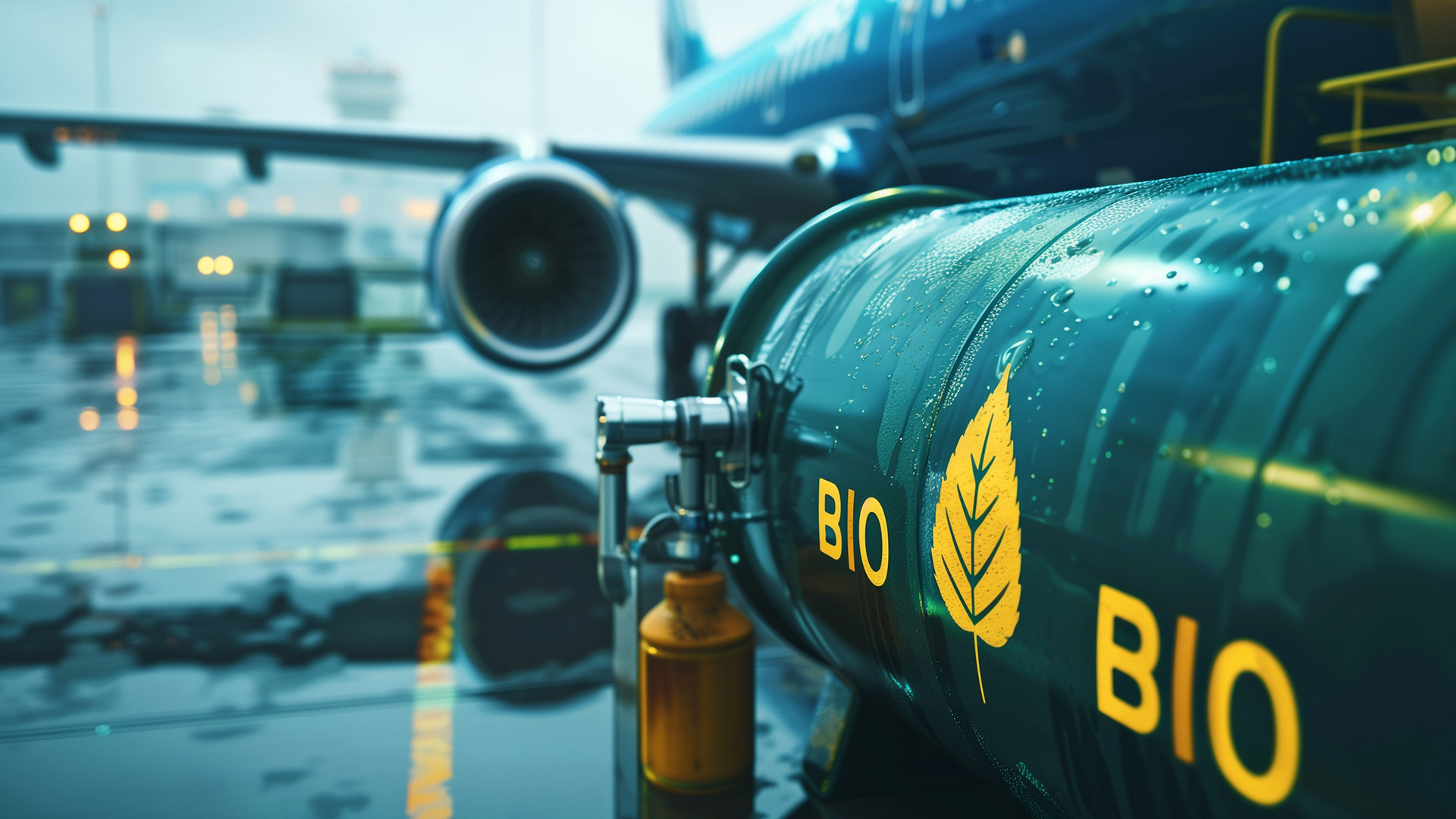
The “Fry to Fly Project” is a joint initiative between JGC Holdings, Japan Airlines (JAL), and Kansai International Airport. Its goal is to recycle waste cooking oil collected in Japan into aviation fuel (SAF, Sustainable Aviation Fuel), which can then be used for aircraft operations.
The ‘Fry to Fly Project’, where waste oil is reborn as energy to power airplanes, is a symbolic scene of the sustainable energy transition we are moving towards.
Why do we need biofuels?
The world is moving toward carbon neutrality. Because it’s difficult to replace fossil fuels overnight, energy sources that reduce carbon emissions while leveraging existing infrastructure are needed. Biofuels are emerging as the most realistic solution for carbon reduction while leveraging existing infrastructure.
1) Environmental value and sustainability
As climate change and the energy crisis worsen, the need for biofuels is growing. Biofuels are environmentally friendly fuels derived from biological resources such as plants and agricultural residues, and are attracting attention as a viable alternative to fossil fuels.
The most significant advantage of biofuels is their carbon neutrality. Carbon dioxide emitted during combustion is reabsorbed during plant growth, making them carbon-neutral. Bio-jet fuel, made from animal fat or waste cooking oil, can reduce carbon emissions by up to 80% compared to conventional jet fuel.
2) Practicality and energy security
Biofuels can be used in existing gas stations and fuel systems, reducing the cost of separate infrastructure. Another strength is their wide range of applications, including biodiesel for automobiles and trucks, sustainable aviation fuel (SAF), and bio-marine fuel.
Additionally, it can contribute to improving national energy self-sufficiency by reducing dependence on fossil fuels and preparing for high oil prices or resource supply instability.
Key challenges in biofuel commercialization
Despite the necessity and value of biofuels, several practical difficulties exist in the actual commercialization process.
1) The reality of raw material supply
Last September, the government announced a mandatory 1% SAF requirement for international flights departing from Korea by 2027. Meeting this requirement will require at least 60,000 tons of SAF, and producing it using the most commercially available HEFA (Hydroprocessed Esters and Fatty Acids) process will require at least 80,000 tons of waste cooking oil.
The figure of 80,000 tons is equivalent to 200 times the amount of oil (400 tons) that would fill a four-lane (10m x 50m) swimming pool to a height of 1m. Maintaining a stable supply of this amount of waste cooking oil is by no means an easy task.
2) High production costs and technological limitations
The biggest obstacle to biofuels is their production costs, which are two to three times higher than fossil fuels. Significant costs are incurred from raw material procurement to preprocessing and refining, making it difficult to achieve economic viability without government subsidies.
Technological limitations also exist. With the exception of the HEFA (Hydroprocessed Esters and Fatty Acids) process, the remaining technologies for bio-aviation fuel currently have few or no commercial production cases. Improving conversion efficiency and production yields remain technical challenges.
GS Caltex’s Future Growth Engine: Biofuel
1) Securing structural growth momentum
The paradigm shift toward carbon neutrality presents new growth opportunities for GS Caltex. The government’s plan to gradually expand mandatory bio-aviation fuel blending by 2030 and the International Maritime Organization’s call for reducing carbon emissions in marine fuel are structurally ensuring growth in the biofuel market.

2) Preemptive action and tangible results
GS Caltex is taking proactive steps, including building a palm oil refinery in Indonesia to produce biodiesel in collaboration with POSCO International. GS Caltex is also achieving tangible results, including conducting Korea’s first bio-aviation fuel pilot with Korean Air in 2023 and supplying bio-marine fuel (BMF) to domestic and international shipping companies.
3) Synergy effect of existing capabilities
Biofuels can utilize existing refining facilities and distribution networks, so they face low barriers to entry and offer a competitive advantage. GS Caltex’s 60 years of accumulated refining technology and expertise can be directly applied to biofuel production, providing the impetus for the company to move beyond the traditional oil refining industry and become a sustainable future energy company.
The carbon-neutral era has arrived, and the biofuel race has begun.
The key to success in the biofuel market is speed. As carbon neutrality policies accelerate globally, the existing fossil fuel market is rapidly reorganizing. The EU’s ReFuelEU Aviation mandate is gradually expanding SAF blending obligations starting in 2025, and the US is also targeting 3 billion gallons of SAF production by 2030. Failure to rapidly commercialize in line with these policy changes will make it difficult to maintain a position in the existing aviation and marine fuel markets.
GS Caltex is thoroughly preparing to enhance its competitiveness in the rapidly changing biofuel market. Leveraging its long-accumulated refining technology, global network, and bold execution capabilities, GS Caltex is proactively pursuing the commercialization of biofuels. Through this, the company will secure its existing customer base while also seizing new market opportunities.
GS Caltex’s efforts to transform this rapidly changing policy environment into an opportunity for new growth rather than a crisis are expected to become a key competitive advantage that will lead the future carbon-neutral era.