



In the mid-1950s, the world was abuzz with optimism about nuclear energy. Louis Strauss, then chairman of the U.S. Atomic Energy Commission, even claimed that nuclear power could “make electricity prices so cheap that metering would become unnecessary.” Eighty years later, the situation has changed even more dramatically in Europe, China, and some states like California.
Negative wholesale electricity prices (also known as negative energy prices), where power producers (such as nuclear, solar, and wind power plant operators) are forced to pay wholesale electricity market operators (such as the Korea Power Exchange) when selling electricity, are becoming increasingly common. This is because electricity generated from renewable resources like solar and wind power, which are available in large quantities at specific times, exceeds the supply.
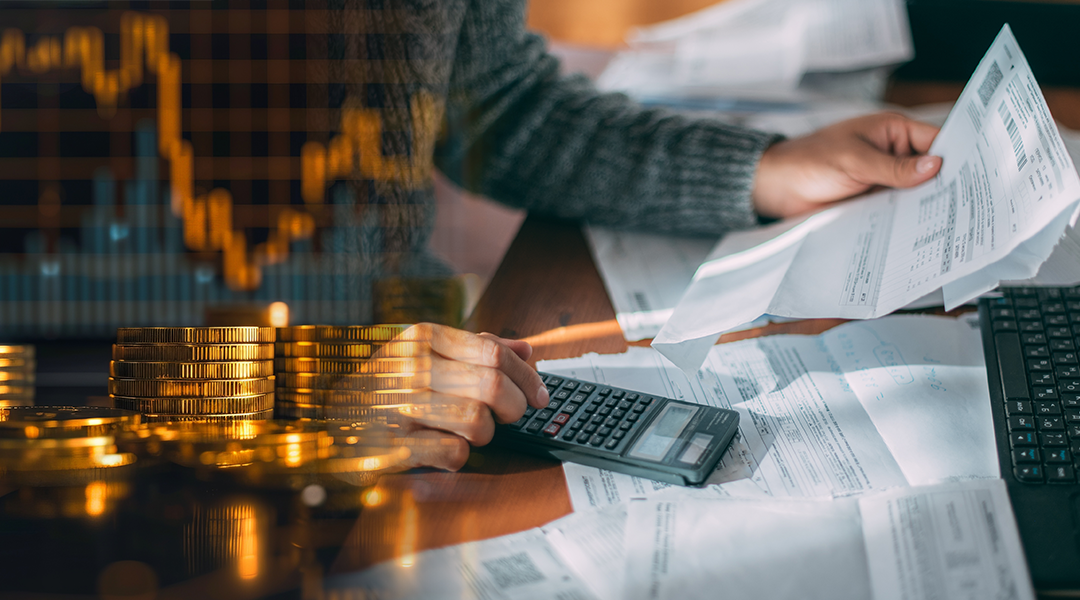
Renewable energy is the main culprit behind negative electricity bills.
When wholesale electricity prices fall below zero, power producers are forced to pay the electricity wholesale market operator for their electricity supply. This fee is intended to prevent excessive electricity flow into the grid, leading to frequency and voltage instability. In effect, the market sends a warning signal to power producers to “cut production.” This mechanism balances supply and demand without forcibly cutting power generation.
Even if wholesale prices are negative, ordinary households and businesses do not receive a refund on their electricity bills. This phenomenon typically occurs when renewable energy supply significantly exceeds demand during certain times of the day, such as when solar power generation suddenly increases during the day or when wind power surges due to strong winds. However, generation decreases during cloudy weather or at night, ultimately offsetting the negative price on a daily or monthly basis.
Some regions with rapidly expanding renewable energy installations are experiencing a persistent oversupply, leading to negative electricity prices becoming the norm. This phenomenon is expected to spread across Europe, particularly after 2023, with Spain, which suffered a major blackout in April of this year, being a prime example. Spain is expected to add the second-largest solar power capacity between 2023 and 2024, after Germany, with approximately 54,000 small-scale solar power plants currently registered.
Subsidy-eating, big renewable energy
As a result, during spring, up to 60% of Spain’s electricity comes from solar. Consequently, at certain times of the day, electricity production far exceeds demand, causing prices to plummet to below zero euros. According to Red Electrica, Spain’s power grid operator, 10% of wholesale electricity prices have been negative over the past year. In May 2025, a third of these were negative, hitting a record low of -15 euros per megawatt-hour (MWh) on May 11th.
An abnormal subsidy system is identified as a key cause of negative electricity prices. Some European countries pay a fixed subsidy (feed-in tariff) to renewable energy power producers based on the amount of electricity they produce. For example, if the market price is -10 cents per kilowatt-hour (kWh), but the subsidy is +30 cents, the power producer still makes a profit. This explains why they continue to produce and sell electricity even when wholesale electricity prices are negative.
Another factor is compensation for power output capping (power control). When power generation exceeds demand, renewable energy generation is forced to halt. Some countries compensate for a portion of these losses. Wind farms in Northern Scotland reportedly received £119 million (approximately 200 billion won) in compensation in the first half of this year, despite not operating 37% of their total power output.
“This situation could be a stumbling block to the energy transition,” said one energy expert. “If the scale of output limit compensation increases, the overall cost of electricity production will rise, and public opinion on renewable energy investment could also worsen.”
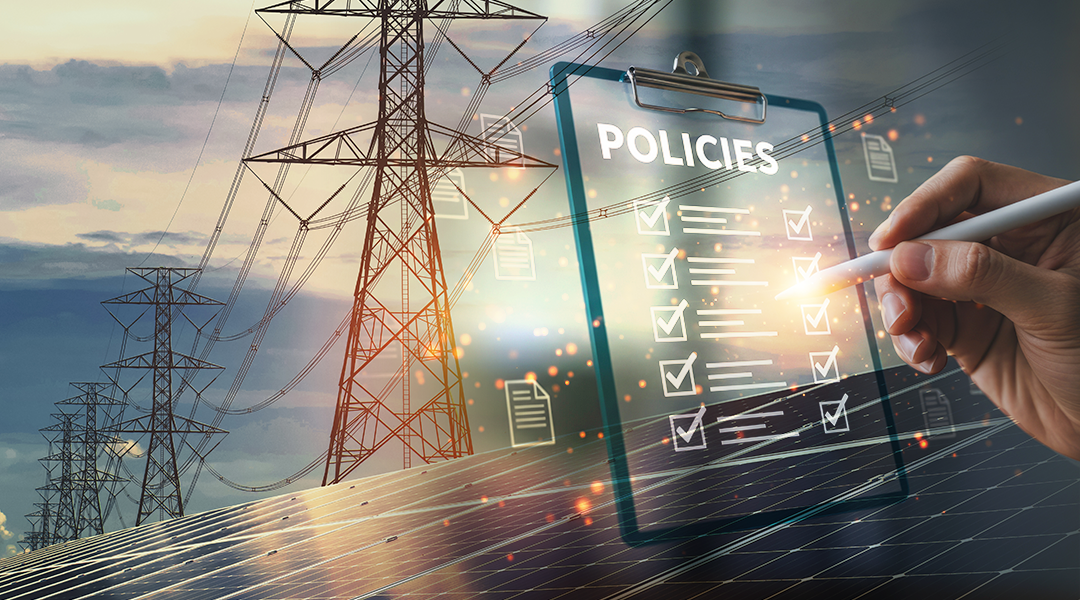
South Korea also faces negative electricity rates… Urgent need for demand management
The situation could change as electricity consumption increases in the future. In particular, with the full-scale expansion of artificial intelligence (AI) data centers, often referred to as “power-hungry hippos,” some predict that the problem of oversupply will gradually ease. To achieve this, the government’s role is crucial.
This requires massive investment in power grid infrastructure, such as transmission and distribution lines and energy storage systems (ESS). Furthermore, demand management must be implemented alongside the expansion of renewable energy. For example, policies like “dynamic pricing” are needed, which encourages more electricity use when there’s a surplus and less when there’s a shortage, based on real-time price fluctuations.
Companies must also adapt to the reality of increased volatility in wholesale electricity rates due to the expansion of renewable energy. An official from energy trading firm Axpo stated, “Energy-intensive companies should be able to adjust their production to take advantage of times when electricity prices are relatively low.” He added, “Even if just 1% of production is shifted to coincide with negative wholesale electricity prices, the savings are significant compared to paying €1,000 per megawatt-hour (MWh).”
Negative wholesale electricity prices also occurred in South Korea in June of last year. In Jeju, a “day-ahead electricity market” is being piloted starting in June 2024. This market includes a renewable energy bidding system, a real-time market, and a reserve market, and is designed to naturally lower wholesale prices (SMP, system marginal price) into negative territory in situations of excessive renewable energy supply.
On the first day of operation, the wholesale price hit -75.58 won per kWh. In the first quarter of this year, 3.6% of electricity trading hours in Jeju were recorded at prices below 0 won. However, power generation companies did not incur losses overall, as they sold renewable energy certificates (RECs) in addition to the wholesale market.
Article by Kim Ri-an, Korea Economic Daily reporter
※ This content was written with a contribution from Kim Ri-an, a reporter for the Korea Economic Daily.