



Socio-environmental factors that encourage personalized energy consumption
Recent volatility in international oil and electricity prices is driving new energy consumption trends. The price of Brent crude, the global oil benchmark, continues to fluctuate due to geopolitical tensions and supply chain instability. Electricity prices are also experiencing price instability across Europe and Australia, driven by surging electricity demand and the climate crisis.
Unpredictable energy price fluctuations increase the need for systems that monitor energy usage and forecast costs in real time. Furthermore, with carbon neutrality policies strengthening and solar and battery technologies driving the global energy transition, the need for efficient and customized energy consumption is becoming increasingly apparent. Beyond energy conservation, the need for data-driven energy management and consumption is emerging.
Modern consumption patterns also contribute to the trend of hyper-personalized energy consumption. With the rapid growth of personalized services in healthcare, finance, and entertainment, consumers are already accustomed to customized services. Representative examples include Kakao Healthcare’s AI-based blood sugar management, Toss’ personalized financial services, and Netflix and Spotify’s AI-based content recommendations.
At the same time, value consumption trends such as anti-flex, low-consumption core, and YONO (You Only Need One) are spreading, particularly among Generation Z. These consumers, who prioritize mobile consumption and pursue practical, environmentally conscious consumption, are characterized by a high receptivity to real-time data and AI-based personalized services.
Consumers accustomed to personalized services and a value-driven consumption culture are spreading to the energy sector, increasing demand for customized energy solutions. Amidst these socio-environmental trends, hyper-personalized energy consumption is gaining attention.
Hyper-personalized consumption that is effective for sustainability
Hyper-personalized energy consumption refers to a system that comprehensively analyzes user habits, weather, and seasonal data to suggest optimized energy usage. This is achieved through the convergence of AI and IoT technologies. IoT devices within homes and buildings are connected, exchanging data and monitoring energy consumption in real time. This optimizes power consumption and increases energy efficiency, going beyond simple savings to reducing carbon footprints and enhancing sustainability.
Globally, the infrastructure for “hyper-personalized energy” is expanding.
Several countries around the world, recognizing the trend of hyper-personalized energy consumption, are already accelerating the development of infrastructure and the expansion of services to support this trend. The core of energy personalization lies in providing optimized energy usage patterns for each individual through real-time data collection and AI-based analysis. Each country is approaching this with strategies tailored to its own energy policies and market environment.
EU: Building a Centrally Driven Hyper-Personalized Infrastructure
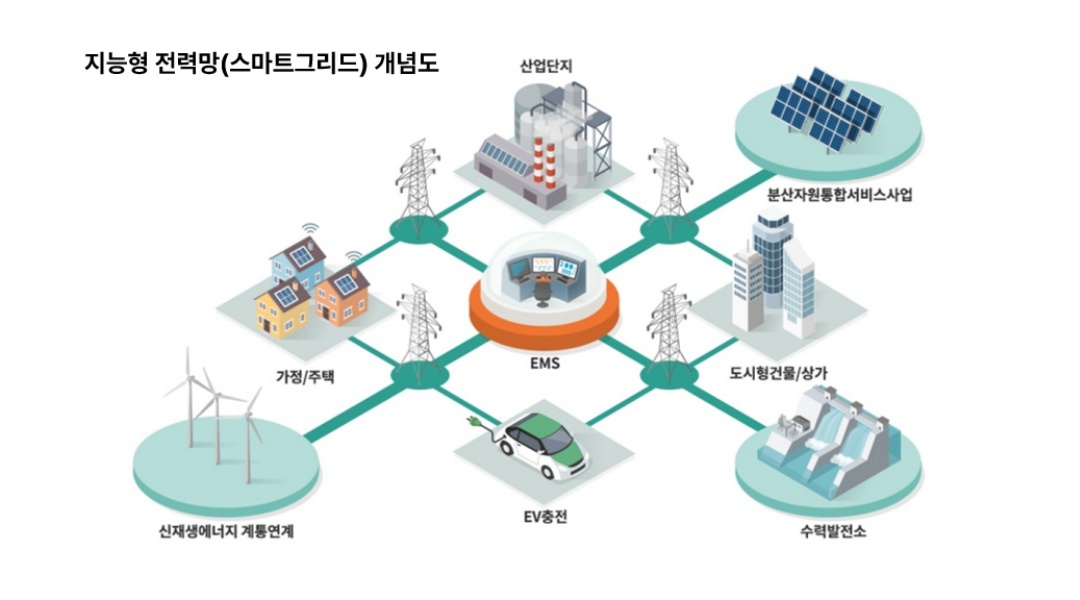
The European Union has established a strategy to achieve both energy independence and carbon neutrality through REPowerEU in 2022, following the European Green Deal in 2019. In particular, the EU is investing in smart grids and smart meters to reduce its dependence on Russian energy, which is threatened by the war, while encouraging efficient energy use by individual consumers.
A smart grid is a network that automatically monitors and adjusts changes in energy supply and demand in real time. It integrates and manages diverse power resources, including renewable energy and heat pumps. Smart meters measure customers’ actual energy consumption data in real time, providing both consumers and suppliers with transparent visibility into energy flows. This allows consumers to receive personalized energy-saving tips based on their consumption patterns.
Additionally, the EU developed a personalized virtual energy assistant through the Eco-Bot project in 2020. This chatbot system categorized consumers’ energy consumption patterns into five types (environmental idealists, aspiring environmentalists, committed savers, opportunists, and indifferent) and offered tailored savings solutions for each type. It also effectively responded to changes in consumption patterns during the COVID-19 pandemic. As a result, it achieved both behavioral changes in households and efficiency improvements in commercial buildings.
US: Market expansion through innovative products led by private companies.
While the EU is centrally leading the way in building infrastructure, the United States is expanding energy personalization, with private companies like Google and Tesla leading the way in providing personalized energy solutions through innovative products.
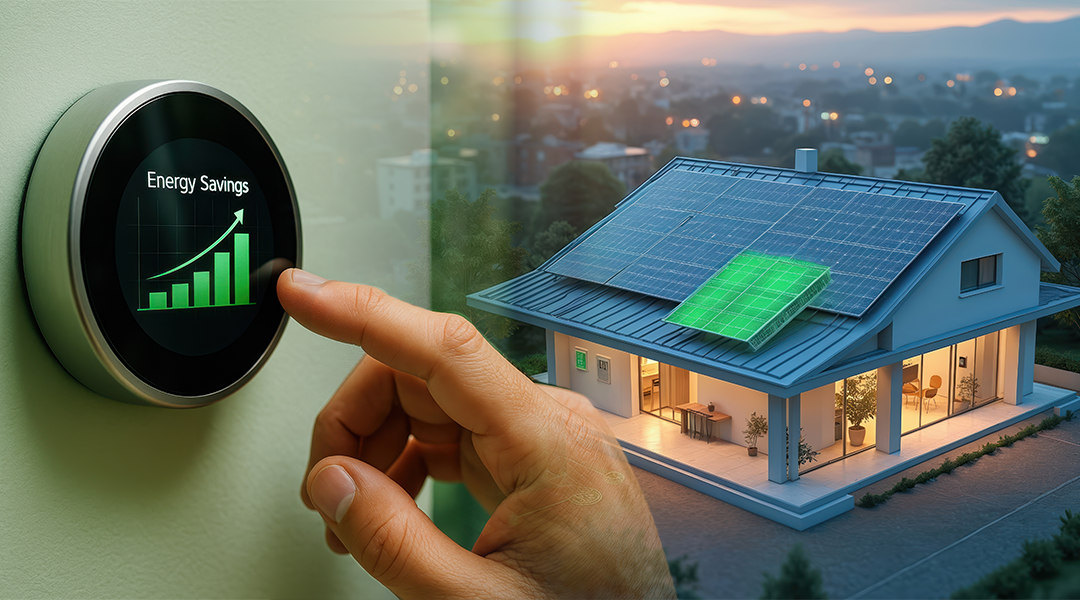
For example, Google Nest uses AI to learn users’ lifestyle patterns, automatically controlling the temperature and improving energy efficiency. The Savings Finder feature analyzes users’ energy consumption patterns and continuously suggests energy-saving optimizations. For example, it automatically suggests ways to slightly adjust the temperature during sleep to promote a good night’s sleep while also saving energy. The Nest Renew program automatically encourages consumption during times when clean energy is most prevalent, thereby improving energy efficiency.
Additionally, the Tesla Powerwall 3 is a home energy storage system that offers smart features that allow you to sell excess power based on real-time electricity price fluctuations or charge when prices are low. Notably, the Storm Watch feature automatically charges the battery before inclement weather based on weather forecasts, ensuring a stable power supply even during power outages. One household in Manchester, England, praised the system’s reliability, saying their daily routine was uninterrupted during a power outage caused by a winter storm last year thanks to the Powerwall 3.
Singapore: National Commercial Cooling Personalization
Singapore is focusing on improving the efficiency and energy optimization of commercial building cooling systems to achieve its 2050 net-zero goal. With cooling demand accounting for 30-40% of a building’s electricity consumption, emerging as a key challenge, the government is utilizing smart thermostats and building management systems (BMS) to optimize cooling and save energy at the district level.
In fact, SP Group and 75F have implemented AI and IoT-based control solutions to optimize the building’s microclimate, achieving energy savings of up to 30% or more in some pilot projects. The introduction of these zoned cooling systems and energy storage technologies also alleviates the burden on the power grid during peak hours and contributes to reduced carbon emissions.
Hyper-personalized energy: A trend to watch
Hyper-personalized energy consumption is a new trend that will usher in a new era of future energy consumption. If consumers actively participate in their energy consumption through smart meters and apps, a sustainable consumption ecosystem is expected to emerge across the entire energy industry.
This trend is expected to offer individuals opportunities for energy cost savings and convenience, while improving grid efficiency for society. Furthermore, it shows potential to contribute to carbon reduction and sustainable development in the long term.
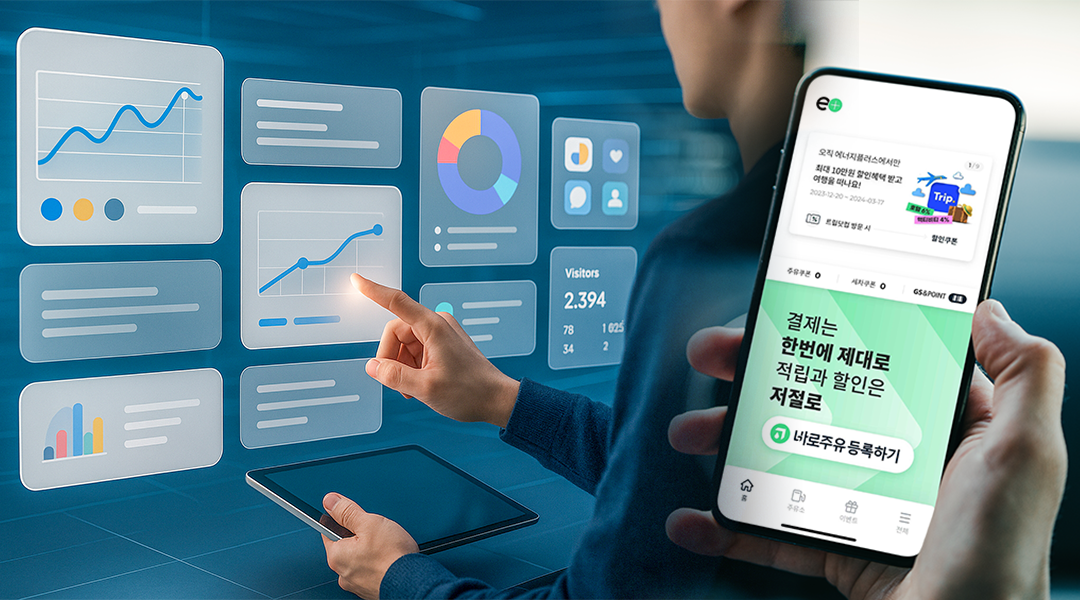
As the global energy industry builds the technological and institutional foundation for energy personalization, the domestic energy industry is closely monitoring these trends and exploring related services. GS Caltex is actively responding to these changing trends by enhancing customer fueling efficiency through generative AI and data-driven personalized services within existing business areas, such as the Energy Plus app.
The trend toward hyper-personalized energy consumption is expected to continue to evolve, driven by environmental concerns and diversifying consumer needs. It will be crucial to monitor these market changes and adapt technologically and institutionally.